Source French Door Smart Refrigerator with Water Dispenser for Homes, Offices, and Hotels
Explore 30 listings of the french door smart refrigerator with water dispenser featuring stainless steel construction, auto defrost, and electronic control. Buyers can compare specifications like capacity, energy efficiency, and certifications to find suitable units for residential, commercial, or hospitality applications.
Key considerations
Products List


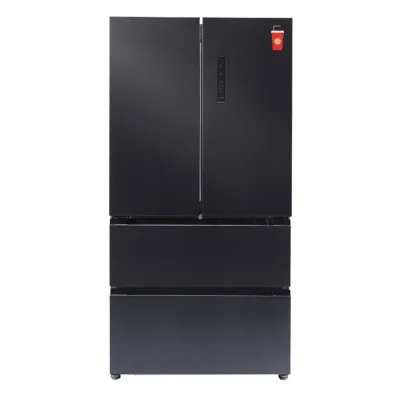
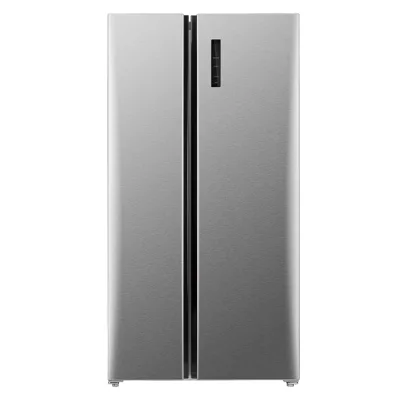


Comprehensive Sourcing Guide
Strategic Sourcing Guide for French Door Smart Refrigerators with Water Dispensers
Procuring a French door smart refrigerator with a water dispenser requires a disciplined approach that balances advanced functionality with rigorous supply chain verification. In the B2B market, buyers often encounter a wide array of specifications, from double-temperature zones to specific climate classifications. The following guide synthesizes observed market data and technical attributes to help procurement professionals navigate the selection process, ensuring that the final acquisition meets both operational needs and regulatory compliance standards.
Technical Specifications and Performance Attributes
When evaluating French door smart refrigerators, the primary focus must be on the core technical specifications that define performance and usability. The market data indicates a strong prevalence of double-temperature systems, which are essential for maintaining distinct thermal environments for fresh food and frozen goods. These units typically feature an electronic control mode, often enhanced with electronic touch control interfaces, allowing for precise temperature management. The observed models frequently utilize an auto defrost or frost-free mechanism, ensuring consistent cooling without the manual labor associated with manual defrosting systems.
Capacity is a critical differentiator in this category. While some units offer a total gross volume of approximately 21 cubic feet, specific configurations may separate this into a 15 cubic foot refrigerator section and a 6 cubic foot freezer section. Other observed models list a fridge storage volume of 14.7 cubic feet and a freezer storage volume of 6.9 cubic feet. Buyers must verify the exact internal dimensions and storage layout, as the physical footprint of the unit, such as a model measuring 912mm in width, 725mm in depth, and 1785mm in height, dictates installation feasibility.
The power requirements for these appliances are generally standardized but must be confirmed for the target market. Common specifications include a rated voltage of 115V at 60Hz, with a rated power consumption around 140W and a defrost power of 190W. The rated current is typically observed at 2.5A. Regarding cooling technology, compressor-based cooling modes are standard, utilizing refrigerants like R600A, which is recognized for its environmental profile. The foaming agent used in the insulation is often cyclopentane, a factor that impacts both thermal efficiency and environmental compliance.
Compliance and Certification Verification
Navigating the complex landscape of international certifications is a non-negotiable step in the procurement of smart refrigerators. The market data reveals a broad spectrum of certifications, including CE, RoHS, UL, ISO, CCC, CB, SASO, EMC, CSA, GS, and ETL. However, it is crucial to treat these as observations of the specific products listed rather than universal guarantees for every unit in the category. A buyer must verify that the specific model they intend to purchase holds the necessary certifications for their destination market.
For instance, while some product listings indicate compliance with UL standards, others may only list CB certification. The presence of a CE mark is common, but the specific standard referenced, such as UL, must be cross-referenced with local regulations. In regions requiring strict safety standards, the absence of a specific certification like ETL or CSA could render the shipment non-compliant. Furthermore, the energy efficiency class is a significant factor; observed units often claim Energy Star compliance, but this must be validated against the specific energy consumption ratings and the local energy labeling requirements of the importing country.
The following table summarizes the observed certification and standard attributes to assist in verification planning:
| Attribute Category | Observed Values | Verification Requirement |
|---|---|---|
| Safety Certifications | CE, RoHS, UL, ISO, CCC, CB, SASO, EMC, CSA, GS, ETL | Confirm specific model holds target market certs (e.g., UL for US, CE for EU). |
| Energy Standards | Energy Star | Validate energy consumption data against local labeling laws. |
| Product Standards | UL, 9148541778 (Dimensional reference) | Ensure the standard applies to the specific model number (e.g., DM-808). |
| Origin Standards | Ningbo, China | Verify origin labeling requirements for customs clearance. |
Cost Drivers and Pricing Dynamics
The pricing structure for French door smart refrigerators is influenced by a combination of material costs, technological features, and order volume. The observed price range in the market spans from approximately $55.7 to $1,000 USD. This wide variance suggests that factors such as the inclusion of a water dispenser, the quality of the stainless steel or plastic materials, and the sophistication of the digital display operation module significantly impact the final cost.
Material composition is a primary cost driver. Units constructed with stainless steel exteriors typically command a higher price point compared to those utilizing plastic materials. The presence of advanced features, such as a recessed handle design, double crisper drawers, and inner LED lighting, also contributes to the overall value proposition. Additionally, the net and gross weight of the unit, observed at 117kg and 127kg respectively, affects shipping costs, which are a substantial component of the landed cost for international buyers.
Minimum Order Quantity (MOQ) is another critical variable affecting unit economics. The observed MOQ range spans from 1 to 192 units, with specific models like the Dm-762wh requiring a minimum of 36 pieces. Buyers must align their order volume with the supplier's MOQ to optimize the per-unit cost. For smaller procurement needs, the higher per-unit price may be unavoidable, whereas larger orders can leverage economies of scale. The packing method, typically standard packing cartons, also influences logistics efficiency and potential damage costs during transit.
Typical Applications and Installation Requirements
French door smart refrigerators with water dispensers are designed for a variety of commercial and residential applications, ranging from high-end hospitality settings to large-scale retail environments. The free-standing installation type is the most common configuration, allowing for flexibility in placement without the need for built-in cabinetry integration. The climate type, often designated as ST (Subtropical) or T (Tropical), indicates the environmental conditions in which the unit is designed to operate efficiently.
The capacity of these units, often exceeding 300 liters, makes them suitable for high-volume storage needs. In commercial settings such as hotels, restaurants, or large offices, the ability to store significant quantities of food and beverages while maintaining precise temperature control is essential. The double-temperature feature ensures that frozen goods remain at the correct temperature while fresh produce is kept in an optimal humidity environment.
Installation considerations also extend to the physical dimensions of the unit. With heights reaching up to 1785mm and widths around 912mm, buyers must ensure that the intended installation space can accommodate the appliance. The loading capacity per container, observed at 36 units per 40HQ container, is a vital metric for logistics planning. This figure helps buyers calculate the total volume of goods they can import in a single shipment, optimizing freight costs and delivery timelines.
Supplier Evaluation and Quality Control
Evaluating suppliers requires a thorough review of their production capabilities and quality assurance processes. The observed product origin is consistently listed as Ningbo or China, regions known for their manufacturing infrastructure. However, the origin alone does not guarantee quality. Buyers should verify the supplier's adherence to the stated standards, such as UL or ISO, and request documentation to prove compliance.
Quality control should be a continuous process, starting from the raw material selection to the final packaging. The use of high-quality materials like stainless steel and the implementation of robust cooling systems, such as compressor-based cooling with R600A refrigerant, are indicators of a well-engineered product. The warranty period, typically observed as 1 year, is a baseline expectation, but buyers should negotiate extended terms if the application involves heavy usage.
The customization availability is a significant advantage for B2B buyers who require specific branding or feature modifications. The ability to customize the product allows for better alignment with brand identity and specific operational requirements. However, customization may impact lead times and minimum order quantities, so these factors must be discussed during the negotiation phase.
Long-Term Procurement Considerations
Sourcing a French door smart refrigerator is not merely a transactional event but a long-term strategic decision. Buyers must consider the lifecycle of the product, including maintenance requirements and the availability of spare parts. The electronic control systems and digital displays, while offering convenience, may require specialized technicians for repairs. Ensuring that the supplier provides adequate technical support and spare parts availability is crucial for minimizing downtime.
The environmental impact of the product is another long-term consideration. The use of eco-friendly refrigerants like R600A and foaming agents like cyclopentane aligns with global sustainability goals. Buyers should verify that the supplier's manufacturing processes adhere to environmental regulations to avoid potential compliance issues in the future.
Finally, the scalability of the procurement relationship is important. As the business grows, the ability to increase order volumes without compromising quality or lead times is essential. The observed loading capacity and MOQ flexibility suggest that suppliers can accommodate growth, but this must be confirmed through clear communication and contractual agreements. By focusing on these long-term factors, buyers can secure a reliable supply chain that supports their operational goals for years to come.
FAQs
What certifications are available for these refrigerators?
Available certifications include CE, RoHS, UL, ISO, CCC, CB, SASO, EMC, CSA, GS, and ETL. Buyers must verify that the specific model holds the necessary certifications for their destination market, as not every listed product satisfies all standards.
How is the storage capacity divided in the unit?
The total gross volume is 21 cubic feet, split into a 15 cubic foot fridge and a 6 cubic foot freezer. Some models list slightly different figures, such as 14.7 cubic feet for the fridge and 6.9 cubic feet for the freezer.
Can the product be customized for specific needs?
Customization is available for these units. This allows buyers to align the product with specific branding or operational requirements, though it may impact lead times and minimum order quantities during the negotiation phase.
What is the typical power consumption for this model?
The rated power is 140W with a defrost power of 190W at 115V and 60Hz. The rated current is typically 2.5A, utilizing a compressor cooling mode with R600A refrigerant for efficient operation.
Which installation type is standard for these appliances?
The standard installation type is free-standing, allowing for flexible placement without built-in cabinetry. The physical footprint, such as 912mm width and 1785mm height, dictates the feasibility of installation in the intended space.
What materials are used in the construction of the unit?
Materials observed include stainless steel and plastic exteriors. Stainless steel units typically command a higher price point, while the internal components utilize foaming agents like cyclopentane for thermal efficiency.